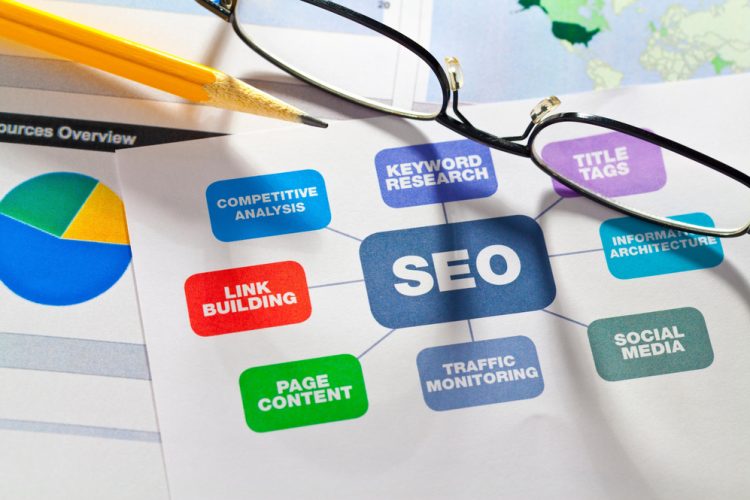
If you’re starting your digital marketing journey, you’ve probably heard about SEO. But what exactly is SEO, and why is it such a big deal for organic growth? Whether you’re running a small business or launching a new website, understanding SEO can help you increase visibility, attract visitors, and ultimately grow your brand online.
What is SEO?
Search Engine Optimization (SEO) is the practice of optimizing your website to rank higher on search engine results pages (SERPs). Imagine you’re searching for “best dining chairs” online. The websites at the top of the search results aren’t aren’t there by accident. They’ve likely optimized their content to align with what users like you are looking for.
SEO works by tailoring various aspects of your site, such as keywords, backlinks, and mobile compatibility, to meet search engine requirements. The goal is simple: make it easier for search engines like Google to understand what your website is about and why it’s relevant to users.
Why Does SEO Matter for Organic Growth?
For businesses, SEO is essential because it drives organic traffic. Unlike paid ads, organic traffic comes when users find your site by searching for topics, products, or solutions. This kind of traffic is sustainable, cost-effective, and often more meaningful because visitors arrive at your site with intent.
A well-optimized site means more impressions, clicks, and ultimately, more potential customers. Plus, SEO isn’t just about search engines; it’s also about providing better user experiences. When you focus on delivering valuable, high-quality content that’s easy to find, everyone’s a winner.
How Do You Get Started with SEO in 2025?
The SEO landscape is constantly evolving, but don’t worry. You don’t need to be a tech whiz to start optimizing your site. Here are actionable steps to guide you through the process:
- Build a Solid Foundation
Start by conducting keyword research to determine what terms your audience is searching for. Free tools like Google Keyword Planner or paid tools such as SEMrush can help you identify the right keywords to target. For instance, if you’re exploring service SEO, find keywords that match your niche and audience.
- Optimize Your Content
Craft engaging, keyword-rich content. Search engines favor pages that provide value, so aim for blog posts, guides, or product descriptions that solve problems or answer common questions. Also, ensure your site structure is clean, with easy-to-navigate sections and headings.
- Understand the Value of SEO Services
If managing SEO sounds overwhelming, you’re not alone. Many businesses turn to professionals for assistance. Hiring an expert in SEO can save you time while delivering faster results. When choosing an SEO partner, consider factors like the scope of services, expertise, and SEO services cost, which can vary depending on your needs and goals.
Need help understanding SEO tools? A helpful resource like Google’s Search Central can provide insights on how to improve your site performance. It’s the perfect place to explore everything from technical SEO to mobile usability.
- Leverage Technical SEO
This ensures search engines can crawl and index your site correctly. Key elements include fast load times, mobile-friendliness, and secure HTTPS connections. Regular audits using tools like SEO Spider by Screaming Frog can help you identify technical issues on your site.
- Build Quality Backlinks
Backlinks, or links from other sites to yours, are a trust signal for search engines. The more reputable websites link to you, the higher you’ll likely rank. For instance, you could write guest posts for popular blogs in your industry or partner with influencers to mention your brand.
Invest for Long-Term Success
SEO isn’t a one-time fix. It’s a long-term strategy that requires consistent updates and monitoring. Factors like algorithms, keywords, and user behavior evolve, so staying current is vital. Remember, organic growth doesn’t happen overnight, but the results are absolutely worth it with the right approach.
If you’re new to SEO, don’t be discouraged by the learning curve. Explore reliable resources, consider investing in service SEO, and keep track of your site’s performance. By 2025, businesses with a strong SEO strategy will survive in digital landscapes and succeed.
Start small, stay consistent, and watch your organic growth take off!